
How Does Foam Concentrate Solution Combat Flammable Liquid Fires
2026-01-16
When a flammable liquid fire ignites, water alone can be ineffective and even dangerous, spreading the burning fuel. This is where a specialized Foam Concentrate Solution becomes a critical line of defense. At Plent, we engineer high-performance firefighting foams that work on a scientific principle to rapidly suppress these complex hazards. But how exactly does this technology work to secure your safety?
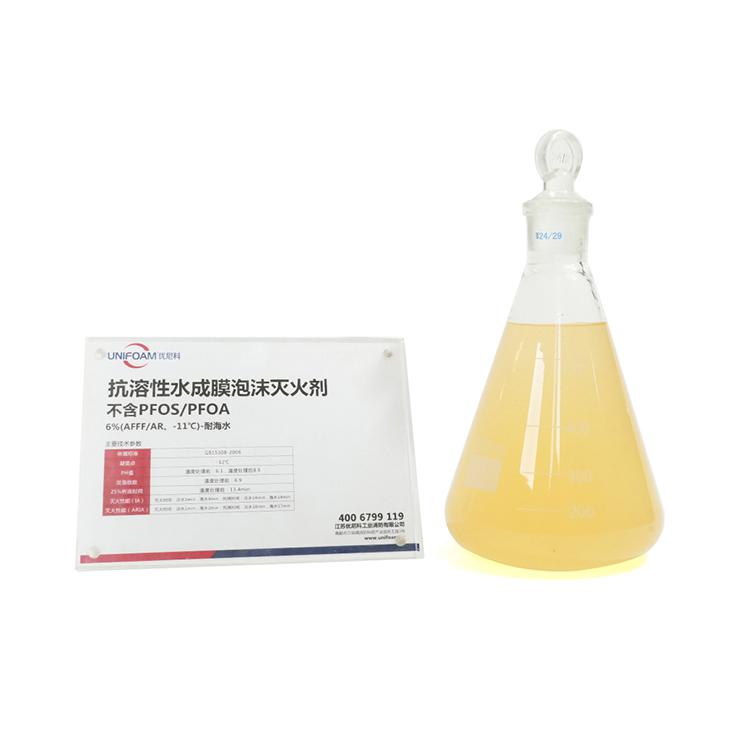
A Foam Concentrate Solution is not a single agent but a mixture proportioned with water and air. When applied, it creates a cohesive foam blanket that attacks the fire tetrahedron—heat, fuel, oxygen, and the chemical chain reaction—through multiple mechanisms.
-
Smothering: The primary action. The foam forms a continuous, floating blanket that separates the flammable fuel vapor from the oxygen in the air, starving the fire.
-
Cooling: The foam solution contains water, which absorbs heat from the fuel surface and the flames, significantly reducing the temperature.
-
Suppressing Vapor Release: The foam blanket acts as a barrier, preventing the release of flammable vapors from the liquid fuel into the atmosphere.
-
Creating a Seal: It can provide a protective layer to shield unignited fuels from radiant heat and prevent re-ignition.
The effectiveness depends heavily on the type of fuel. Plent formulates specific concentrates for different risk profiles:
| Fire Class / Fuel Type | Recommended Plent Foam Type | Key Action |
|---|---|---|
| Class B (Hydrocarbons e.g., gasoline, diesel) | Plent AFFF (Aqueous Film-Forming Foam) | Forms a vapor-suppressing aqueous film on the fuel. |
| Class B (Polar Solvents e.g., alcohols, acetone) | Plent AR-AFFF (Alcohol-Resistant) | Creates a polymeric membrane that resists fuel dissolution. |
| Class A (Combustible Solids e.g., wood, paper) | Plent Class A Foam Concentrates | Enhances water's penetration and cooling effect. |
Foam Concentrate Solution FAQ
What is the difference between 3% and 6% foam concentrate?
The percentage (3% or 6%) refers to the proportioning rate—the amount of foam concentrate mixed with water. A 3% type is used at 3 parts concentrate to 97 parts water, while a 6% type uses 6 parts to 94 parts water. Using the correct rate specified by Plent for your specific concentrate is vital for optimal performance and foam blanket integrity.
How long does a foam concentrate solution last in storage?
When stored in accordance with Plent guidelines—in a cool, shaded area within original, sealed containers—our foam concentrates typically have a shelf life of 20-25 years. Regular annual testing of the solution's pH and expansion/drainage is recommended to ensure its readiness.
Can different brands or types of foam concentrate be mixed?
No, you should never mix different brands or types of Foam Concentrate Solution. Incompatible chemistries can render the mixture ineffective, cause equipment blockage, or severely degrade performance. Always consult Plent for compatibility questions and use a single, specified product for your system.
Understanding the science behind firefighting foam is key to selecting the right protection. The right Foam Concentrate Solution is a calculated investment in safety, asset protection, and environmental stewardship. For a site-specific risk assessment and to learn how Plent's tailored foam technology can safeguard your operations, do not hesitate to contact us today. Our experts are ready to provide you with engineered solutions for true peace of mind.