
#

Featured Products

New Products

News

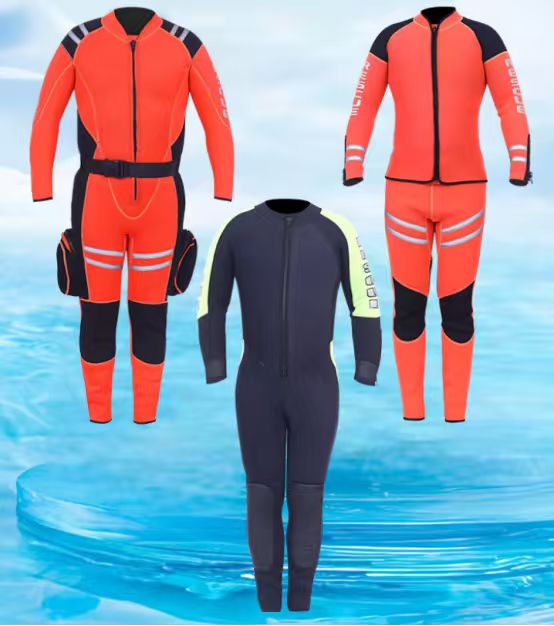
  • Water Rescue Wet-Style Life Jackets: Key Advantages for Professional Rescue Teams

    When floodwater turns violent, every gram of gear on a rescuer's body either earns its place or gets left behind. That unforgiving logic is driving professional rescue teams away from bulky, oversized PFDs and toward leaner, more functional wet-style life jackets. The reason has nothing to do with fashion—it comes down to physics. Buoyancy that moves with the body, faster donning in urgent moments, and zero snag points in debris-heavy currents fundamentally change what a rescuer can do in the water. This article examines those concrete advantages: improved mobility during swimming and climbing, quicker transitions from shore to water, and reduced fatigue over long operations. It also explains why Jianghe Flood Prevention regards these low-profile vests as non-negotiable for any modern flood response team. In hazardous environments, the right flotation gear is not just equipment—it is a survival decision. For anyone working near fast-moving water, understanding this shift could mean the difference between a successful rescue and a preventable tragedy.

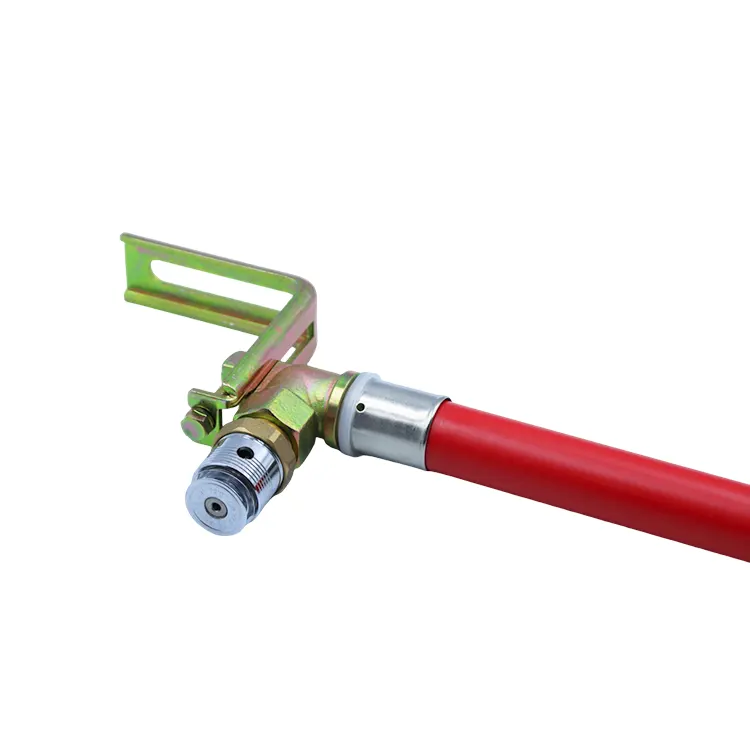
  • How Does a Press-fit Adjustable Stroke Fire Base Compare to Traditional Fire Bases

    Fire-rated door hardware has evolved significantly, and choosing the right base component directly affects installation speed, long-term reliability, and compliance outcomes. In this comparison, Huitong examines how a Press-fit Adjustable Stroke Fire Base differs from conventional fire base designs, and why the distinction matters for contractors, specifiers, and facility managers. Understanding these differences helps project teams specify hardware that performs consistently across varied door conditions.

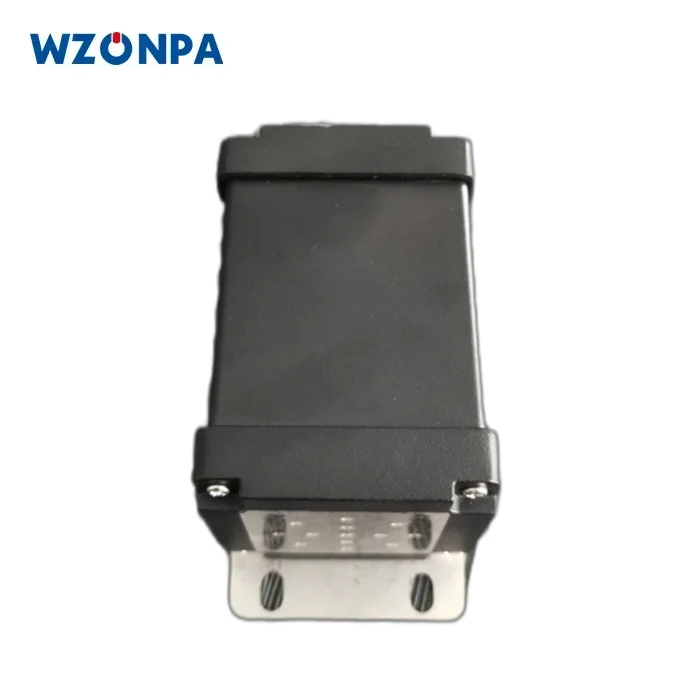
  • How Does a Compact Hot Aerosol Fire Extinguishing System Activate and Deploy Its Extinguishing Agent

    This is where the Compact Hot Aerosol Fire Extinguishing System from Wzonpa offers a revolutionary solution. Understanding how this system activates and deploys its fire-fighting agent is essential for engineers, safety managers, and facility operators seeking reliable passive fire protection.

  • What is the Correct Height for Mounting a Fire Extinguisher Hook Bracket on a Wall

    Mounting a Fire Extinguisher Hook Bracket at the correct height is a critical safety requirement that directly impacts emergency response times. Improper placement can lead to code violations, failed inspections, or dangerous delays during a fire.

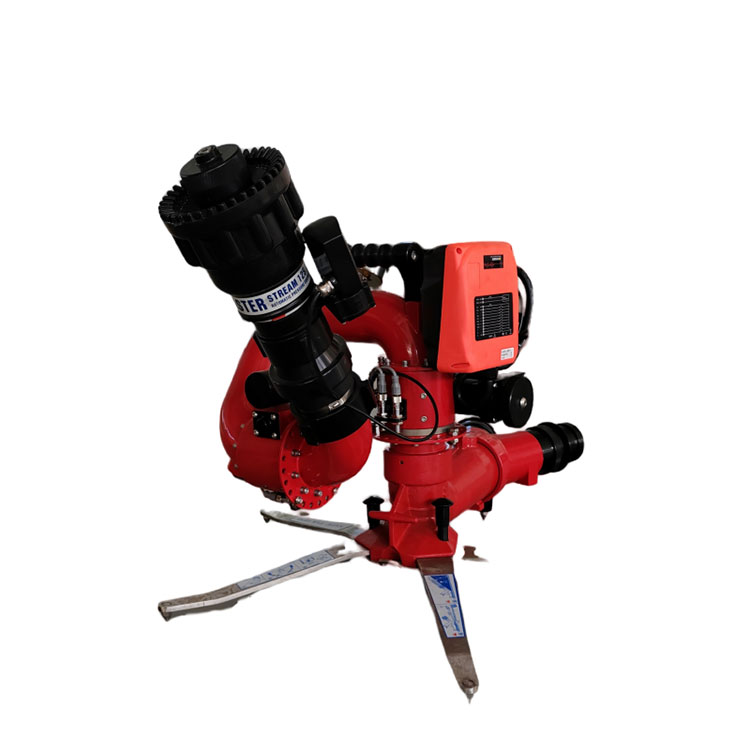
  • How Far Can a Remote Control Portable Fire Monitor Accurately Project Water or Foam from a Safe Distance

    When fighting industrial fires or hazardous material blazes, the Remote Control Portable Fire Monitor becomes an essential tool. Operators often ask: what is the effective range of such a device from a safe operating distance? For the Plent Remote Control Portable Fire Monitor, the answer depends on pump pressure, nozzle type, and environmental factors.

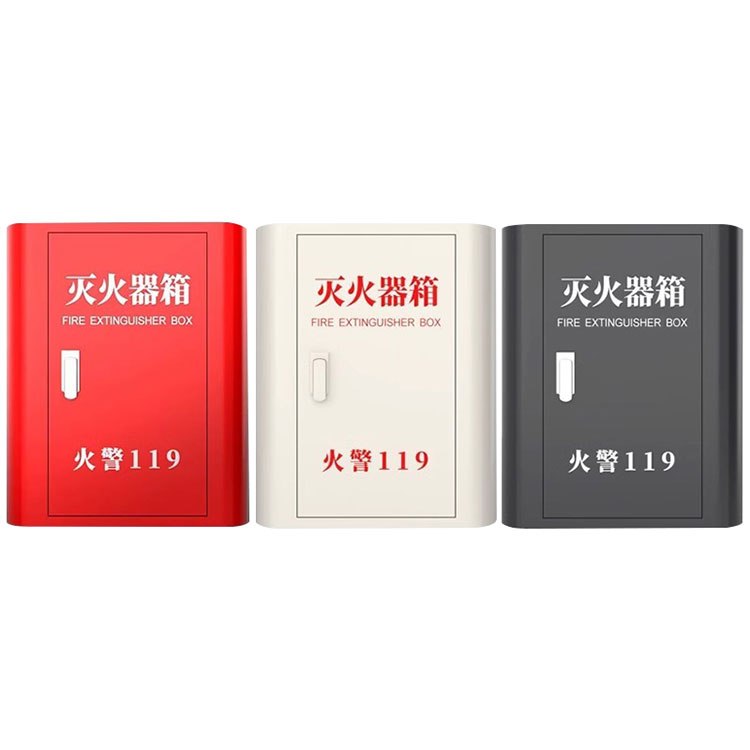
  • What Security Features Should You Look For in an Oval Fire Extinguisher Cabinet for High Traffic Areas

    In busy environments such as airports, shopping malls, schools, and hospitals, an Oval Fire Extinguisher Cabinet must do more than just hold a fire extinguisher—it must deter tampering, prevent theft, and ensure rapid access during emergencies. When selecting an Oval Fire Extinguisher Cabinet for high traffic areas, Huimei recommends prioritizing security features that balance protection with accessibility.

  • How Does Seawater Affect the Performance of Marine Firefighting Foam Concentrate During Fire Suppression

    When fighting fires at sea, the interaction between Marine Firefighting Foam Concentrate and seawater is a critical factor that determines success or failure. Plent has analyzed this dynamic to help vessel operators and port authorities make informed decisions. Seawater introduces unique challenges due to its salinity, mineral content, and biological impurities, all of which can alter foam expansion, drainage time, and extinguishing efficacy.

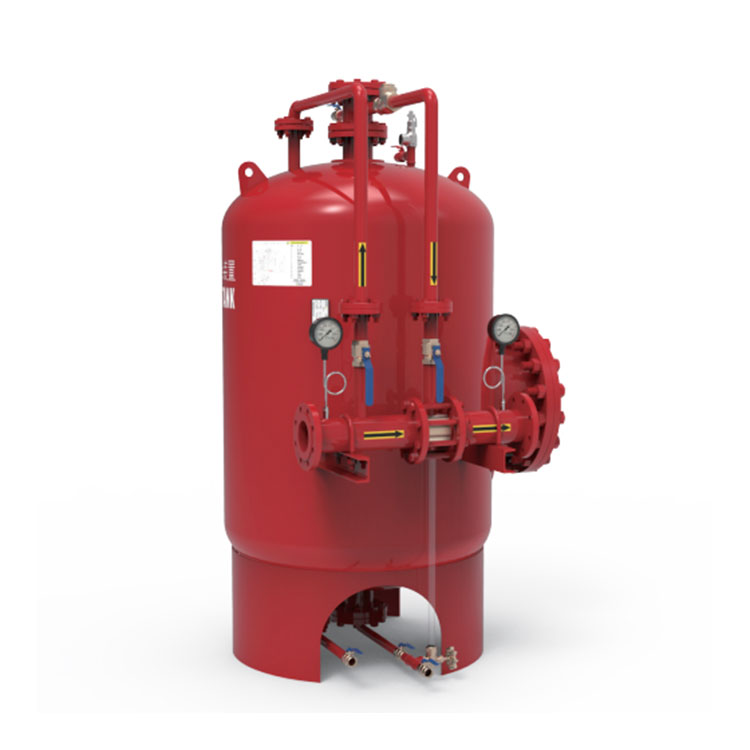
  • What safety standards apply to the installation of a vertical foam bladder tank

    When installing a Vertical Foam Bladder Tank, compliance with recognized safety standards is not optional—it is essential for system reliability, fire protection effectiveness, and legal liability. Plent has observed that many facility managers overlook critical code requirements, leading to installation failures or failed inspections. This guide outlines the primary safety standards governing Vertical Foam Bladder Tank installation and answers the most common professional questions.

Leave Your Message

  • Click Refresh verification code