
How Does the Material of a Fire Extinguisher Box Impact Its Durability in Outdoor Environments
2026-04-09
When selecting a Fire Extinguisher Box for outdoor use, the material composition directly determines how well the unit withstands sun, rain, salt spray, and temperature extremes. Huimei, a trusted manufacturer in fire safety enclosures, emphasizes that the right material choice extends equipment life, ensures code compliance, and prevents costly replacements. Below is a professional breakdown of material performance in real-world outdoor conditions.
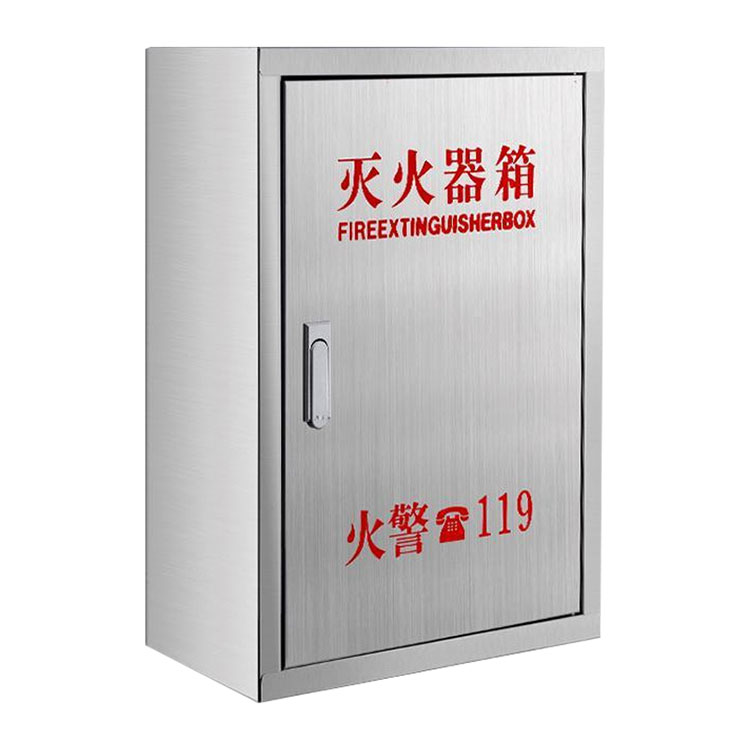
Material Comparison for Outdoor Fire Extinguisher Box
| Material | Durability in Outdoor Environments | Key Limitations | Best Application |
|---|---|---|---|
| Mild Steel (Powder Coated) | Moderate – rusts after coating damage | Vulnerable to scratches and salt corrosion | Sheltered outdoor areas |
| Stainless Steel (304/316) | Excellent – corrosion-resistant | Higher cost; heavier structure | Coastal or industrial zones |
| Fiberglass Reinforced Polyester (FRP) | Very good – UV-resistant and non-corrosive | Can crack under extreme impact | General outdoor use |
| Polycarbonate (Clear or Colored) | Good for UV resistance but yellows over time | Less impact strength than metal | Low-risk, high-visibility locations |
How Outdoor Stress Factors Affect Each Material
Outdoor environments expose a Fire Extinguisher Box to ultraviolet radiation, moisture cycles, airborne salt, and mechanical impacts. Stainless steel grades 304 and 316, offered by Huimei, maintain structural integrity for over a decade with minimal maintenance. By contrast, powder-coated mild steel begins showing rust within 12–18 months near coastlines or in rainy regions. FRP (fiberglass) boxes resist chemical corrosion but may become brittle in sub-zero temperatures.
Huimei engineers its outdoor Fire Extinguisher Box units with sealed seams and gasketed doors to prevent water ingress. This design consideration is as critical as the base material. Without proper sealing, even premium stainless steel can fail due to internal condensation or standing water.
Fire Extinguisher Box FAQ – Common Questions from Professionals
Q1: What is the most durable material for a Fire Extinguisher Box installed in a coastal industrial plant?
A1: Grade 316 stainless steel is the most durable option for coastal and marine environments. It contains molybdenum, which provides superior resistance to chloride-induced pitting and crevice corrosion. Huimei recommends 316 stainless steel with a brushed finish and fully welded corners. This combination withstands salt spray, high humidity, and chemical exposure for 10+ years without structural degradation. Avoid aluminum or powder-coated steel in these settings.
Q2: Can a polycarbonate Fire Extinguisher Box be used outdoors in direct sunlight?
A2: Yes, but with important caveats. UV-stabilized polycarbonate resists yellowing for approximately 5–7 years. However, it loses impact resistance over time due to UV degradation. Huimei suggests polycarbonate only for low-theft, low-impact outdoor areas such as garden sheds or covered loading docks. For full sun exposure exceeding 8 hours daily, fiberglass or stainless steel provides longer service life. Always verify UV stabilization certification from the manufacturer.
Q3: How often should an outdoor Fire Extinguisher Box be replaced based on material wear?
A3: Replacement intervals vary by material. Huimei advises inspecting stainless steel units annually and replacing them only when visible corrosion penetrates the metal (typically 12–15 years). FRP boxes need replacement every 8–10 years if cracking or chalking appears. Polycarbonate units should be replaced every 5–6 years. Powder-coated steel requires replacement as soon as rust bubbles form under the paint, often within 3–5 years. Document all inspections for liability and insurance purposes.
Professional Recommendation
For long-term outdoor durability, Huimei consistently recommends 304 or 316 stainless steel Fire Extinguisher Box models. The upfront cost is offset by extended replacement cycles, lower inspection labor, and reliable protection of the extinguisher itself. FRP serves as a solid mid-range option for non-coastal areas. Avoid plastic and painted steel when exposure includes direct rainfall or temperature swings below freezing.
Contact Us
For a detailed quote or technical advice on choosing the right Fire Extinguisher Box for your specific outdoor environment, contact Huimei today. Our engineering team provides material samples, salt spray test reports, and custom sizing to match your project requirements. Reach out via the website contact form or request a direct consultation.