

What are the International Human Rights Standards for Deploying Police Riot Control Water Cannon
2026-03-25
When civil unrest escalates, law enforcement agencies often face difficult decisions regarding crowd management. Among the most scrutinized tools is the Police Riot Control Water Cannon. While it is classified as a less-lethal option, its deployment is governed by a complex framework of international human rights standards. At Plent, we believe that understanding these protocols is essential for ensuring that public safety measures do not come at the expense of fundamental freedoms. These standards, derived from principles such as the UN Basic Principles on the Use of Force and Firearms, mandate that such devices must only be used as a last resort, with absolute necessity and strict proportionality.
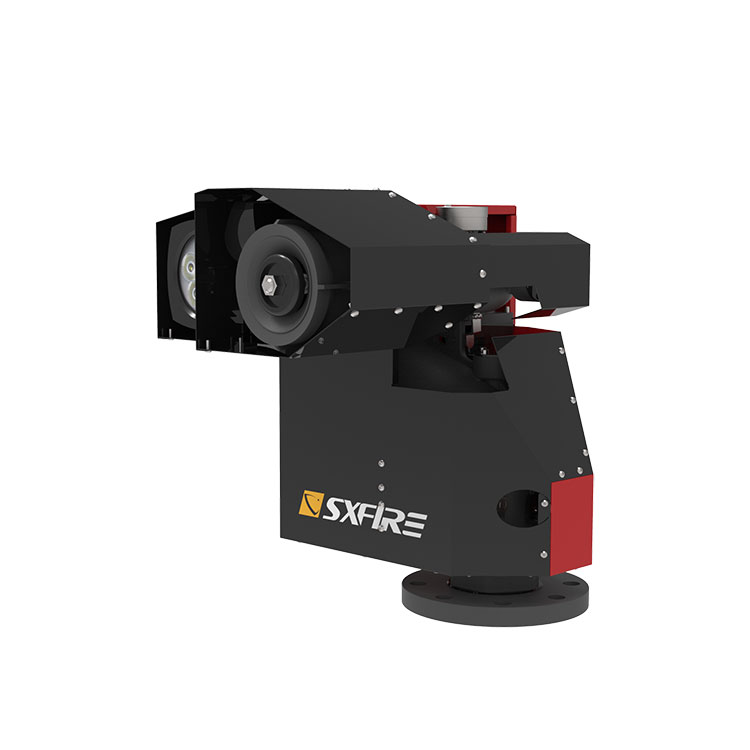
Core Principles Under International Law
The use of a Police Riot Control Water Cannon is not prohibited outright, but it is heavily regulated to prevent human rights violations. The following table outlines the key principles governing their deployment:
| Principle | Application to Water Cannon Deployment |
|---|---|
| Legality | Deployment must have a clear basis in domestic law that complies with international treaties. |
| Necessity | The cannon may only be used when no other less harmful means (e.g., negotiation, barriers) can achieve the legitimate objective. |
| Proportionality | The intensity of force must not exceed the threat posed. Targeting individuals indiscriminately or at close range is prohibited. |
| Non-Discrimination | Force must not be applied based on race, religion, political opinion, or any other status. |
| Accountability | All deployments must be subject to independent review and transparent reporting. |
Operational Restrictions and Risk Mitigation
International human rights bodies, including the UN Human Rights Committee, emphasize that a Police Riot Control Water Cannon poses specific risks—such as blunt force trauma, drowning risks, and environmental contamination. To align with the EEAT (Experience, Expertise, Authoritativeness, Trustworthiness) framework, operational guidelines must be rigorous. Experts recommend that these devices should never be aimed at the head, neck, or vital organs. Furthermore, the water pressure must be regulated to prevent internal injuries.
Plent specializes in providing safety solutions that respect these human rights benchmarks, ensuring that security operations remain within the boundaries of ethical governance. The use of dyed water or chemical additives is heavily restricted under international standards unless there is a specific threat that justifies such escalation, and only when medical support is immediately available.
Police Riot Control Water Cannon FAQ
To clarify the complexities surrounding this subject, we have compiled a list of frequently asked questions based on current international legal interpretations.
Q1: Under what circumstances is it legally permissible to deploy a Police Riot Control Water Cannon according to the UN standards?
A: According to the UN Human Rights Guidance on Less-Lethal Weapons, a Police Riot Control Water Cannon may only be deployed in situations of serious public disorder that pose an imminent threat of death or serious injury to persons, or significant destruction of property. It must be a measure of last resort after all negotiation and de-escalation tactics have failed. The deployment must be authorized by a senior commander, and explicit warnings must be given to the crowd to allow time for dispersal before activation.
Q2: What specific physical and environmental risks require mitigation when using a Police Riot Control Water Cannon?
A: International standards identify several high-risk factors. Physically, the impact force can cause fractures, concussions, and asphyxiation if the stream is directed at the torso or head. Environmentally, if the water is sourced from non-potable supplies, it can transmit diseases. To mitigate these risks, standards mandate that water must be clean and potable, pressure regulators must limit the impact force to below 50 joules at the nozzle, and operators must undergo certified training to avoid targeting vulnerable individuals such as children, the elderly, or pregnant women.
Q3: How is accountability enforced if a Police Riot Control Water Cannon is used in violation of human rights?
A: Accountability is enforced through a multi-layered system. Domestically, victims must have access to effective remedies and independent oversight bodies, such as police complaints commissions. Internationally, states are required to report significant incidents to treaty bodies. Under the principle of command responsibility, senior officers can be held criminally liable if they ordered or failed to prevent unlawful use. Furthermore, all deployments should be recorded with body-worn cameras and maintained in a central registry to allow for forensic review by human rights organizations.
The Importance of Training and Oversight
Even with strict rules, the actual implementation often fails without rigorous training. A Police Riot Control Water Cannon in the hands of an untrained operator becomes a weapon of torture rather than a tool for de-escalation. Plent advocates for comprehensive training programs that incorporate scenario-based exercises, medical emergency protocols, and regular audits. International standards suggest that these units should only be operated by personnel who have undergone certified human rights training, emphasizing the sanctity of life and the preservation of public order without excessive force.
Conclusion
Adhering to international human rights standards when deploying a Police Riot Control Water Cannon is not merely a legal obligation—it is the foundation of democratic policing. By adhering to the principles of necessity, proportionality, and accountability, authorities can maintain public safety while upholding the dignity of all individuals. Plent is committed to supporting law enforcement agencies with the expertise and equipment necessary to navigate these complex challenges responsibly.
If you are seeking guidance on compliant crowd control strategies or wish to learn more about ethical security solutions, please contact us today to speak with a specialist.