
What Standards Apply to Manual Fire Monitor Design and Use
2025-12-09
When specifying a Manual Fire Monitor for industrial fire protection, compliance with rigorous international standards is non-negotiable. These standards ensure the equipment’s reliability, performance, and safety during critical operations. At PLENT, we engineer our firefighting solutions to not only meet but exceed these global benchmarks, providing you with unwavering confidence in our products’ capabilities.
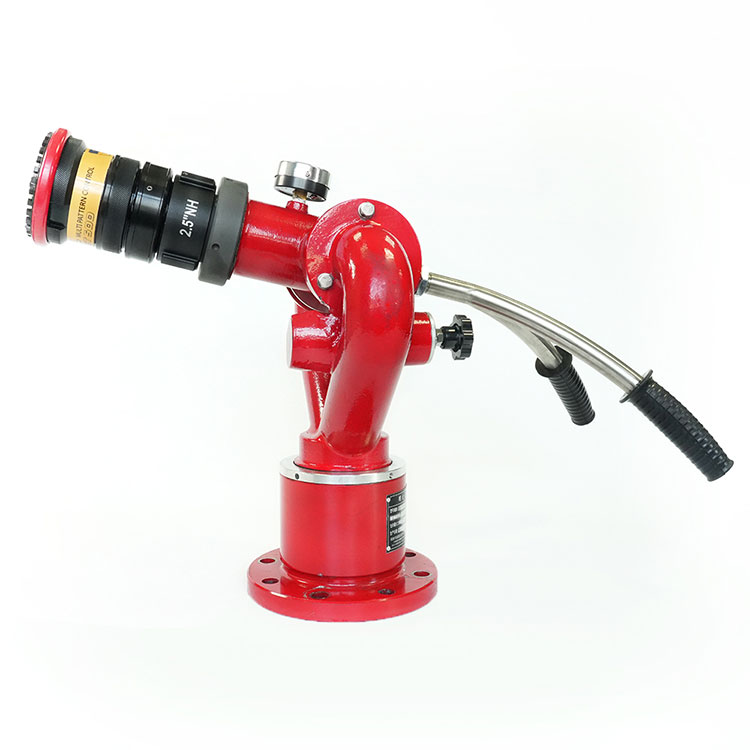
The design and manufacturing of PLENT Manual Fire Monitors adhere to key standards, which govern every aspect from materials to testing:
-
NFPA 1964: Standard for Fire Hose Fittings, covering inlet and outlet connections, pressure ratings, and durability.
-
UL/FM Approval: Critical third-party certifications for North American markets, verifying performance under rigorous operational tests.
-
EN 15182-2: The European standard specifying requirements for portable monitors, including range, flow rate accuracy, and mechanical strength.
-
ABS & DNV-GL Type Approval: Essential for maritime and offshore applications, certifying suitability for harsh marine environments.
Our PLENT monitors are built with precision-engineered components. Below are core parameters that define our product line’s superior performance:
| Parameter | PLENT Standard Range | Notes |
|---|---|---|
| Inlet Connection | 2.5" to 6" NST, ANSI Flange | Complies with NFPA 1964 for global interoperability. |
| Outlet Connection | 1.5" to 4.5" NST | |
| Flow Rate Capacity | 250 GPM to 2000 GPM (950 LPM to 7500 LPM) | Engineered for high-impact fire streams. |
| Working Pressure | Up to 175 PSI (12 bar) | Robust construction ensures stability at max pressure. |
| Horizontal Rotation | 360° Continuous | Full-circle maneuverability for complete coverage. |
| Vertical Elevation | -90° to +90° | Allows for both ground sweep and high-angle attack. |
| Material | High-grade Aluminum Alloy or Ductile Iron | Corrosion-resistant, lightweight, and durable. |
Manual Fire Monitor FAQ
Q: What is the maximum effective range of a PLENT Manual Fire Monitor?
A: The effective range varies by model and nozzle pressure. For instance, our PM-2000 model can project a solid stream over 70 meters. Specific range data for each model is available in our technical datasheets, calculated under standard testing conditions.
Q: How often should a Manual Fire Monitor be inspected and tested?
A: We recommend a visual inspection monthly and a full operational test annually, per NFPA 1962 guidelines. All PLENT monitors are designed for easy testing with clear, accessible controls. Regular maintenance ensures immediate readiness and identifies any need for seal replacement or part servicing.
Q: Can PLENT Manual Fire Monitors be used with foam concentrate?
A: Yes, absolutely. Many of our Manual Fire Monitor models are compatible with foam nozzles or can be outfitted with an inline eductor system. This allows for the effective application of foam solutions for Class B hydrocarbon fires, a common requirement in petrochemical and aviation industries.
Choosing the right Manual Fire Monitor is a critical decision for your facility's safety. The PLENT range offers certified reliability, detailed in our comprehensive technical specifications. For personalized advice, a detailed quote, or to request third-party certification documents, contact us today. Our engineering team is ready to help you select the perfect monitor for your specific hazard and standard compliance needs.